
Groin Strain in Athletes
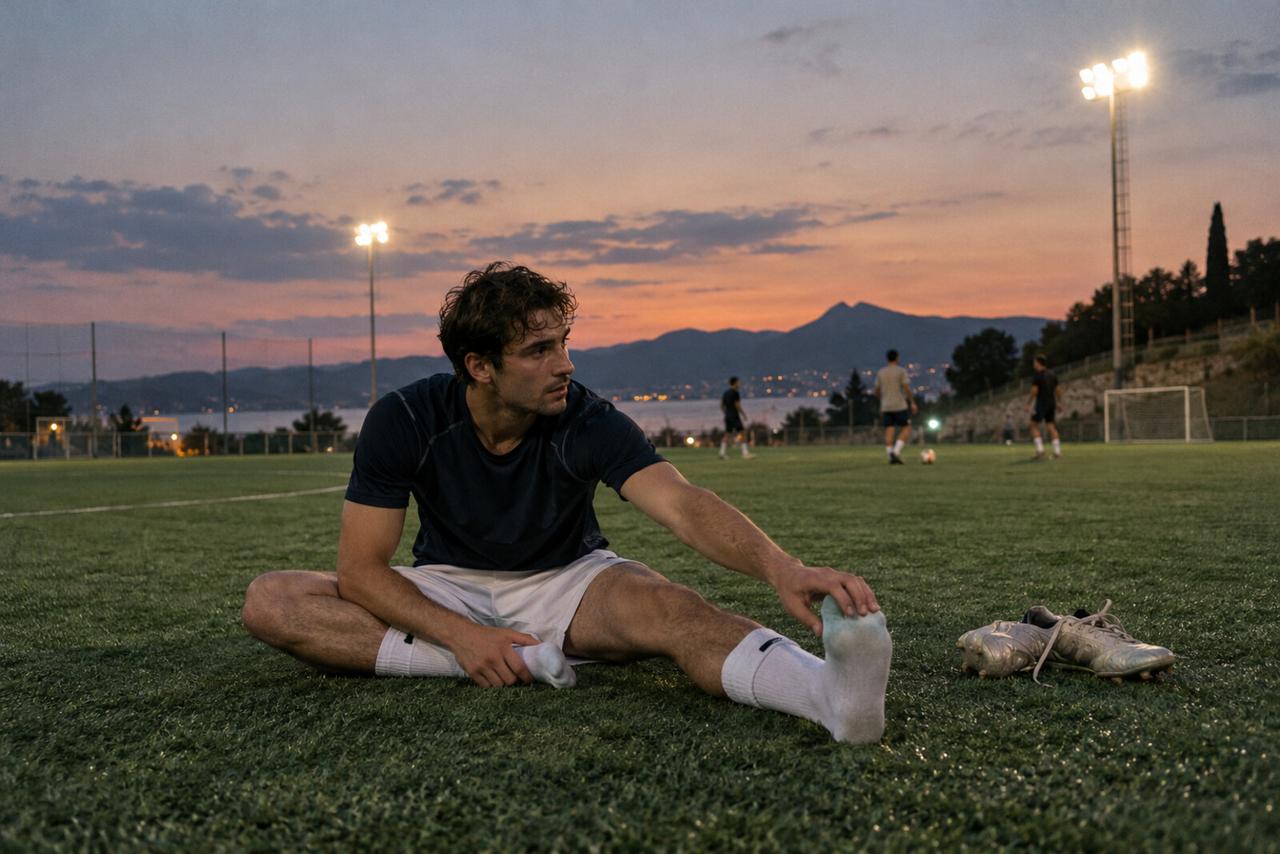
A groin pull can stop a season. Athletes in Wayne can work through the two points below before a visit.
NIAMS and Cleveland Clinic each have something to say about groin pulls. For a wider view of pain care, read a general pain management resource.
What NIAMS asks you to notice
NIAMS describes how this injury starts. Quick side-to-side motions can strain the muscles of the inner thighs and lead to a groin pull.
Read that as a checklist item. Think back to your last sudden change of direction. Ask whether the pain began there.
What Cleveland Clinic adds
Cleveland Clinic places the injury in a group. Leg muscle strains are common, including groin pulls and hamstring injuries.
The word common is the takeaway. A groin pull is not rare, and you are not the first to ask about one. If a herniated disk in the lower back is also on your mind, that topic has its own page.
Healing time, treatment and when to stop playing
Bring three questions about timing, treatment and play: how long a groin strain takes to heal, which treatments fit, and when to stop playing. Do not borrow those answers from a friend or a forum.
Other pages for related problems
If your pain is in the back instead, that is a separate question. A separate reference covers spinal stenosis for readers who want to compare. Keep the two topics apart when you describe your symptoms.
Questions to carry into the visit
Write down the move that caused the pain. Write down which side hurts. Write down what you cannot do now that you could do last week.
Your next step
Book a visit with a clinician in the Wayne area before your next game. Ask about the full range of care, including where epidural steroid injections do and do not apply to a muscle strain.
Only a clinician can tell a groin strain from other causes of pain in that area. It is not medical advice.